
Gamefowl raising guide provides essential knowledge to help you confidently build the most professional care routine for your fighting roosters. Understanding their physical characteristics along with proper training techniques plays a vital role in developing outstanding gamefowl for the arena. Join us as we uncover the secrets behind the success of experienced breeders at Winlah.
Is raising gamefowl difficult?
Many people who are just beginning to pursue this passion often feel concerned about the complexity of caring for these exceptional fighters. In reality, maintaining the health and peak performance of gamefowl is not overly difficult if you follow the scientific principles shared in the gamefowl raising guide. Investing time and dedication is the key factor that helps them develop smoothly and reach their full potential.
Every fighting rooster has its own unique characteristics, requiring breeders to observe them carefully every day. Detecting even the smallest changes in behavior or physical condition allows you to adjust your care methods promptly. Establishing a consistent daily routine, from feeding schedules to physical training sessions, creates the ideal biological rhythm for sustainable growth.
Patience is the key throughout the journey of developing a true fighting champion. Do not expect immediate results, as exceptional development always comes through steady progress at every stage. When you follow the recommended steps correctly, transforming a promising young rooster into a champion in the arena becomes achievable and highly rewarding for any enthusiast.
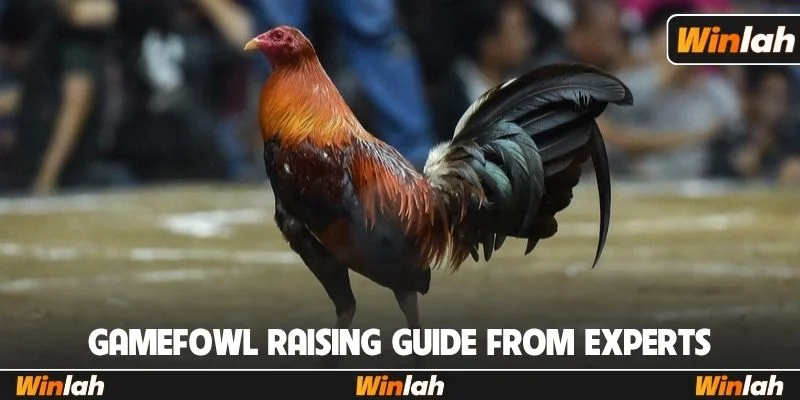
Gamefowl raising guide begins with careful breed selection
Choosing high-quality breeding stock is the most important first step in developing a champion fighter. A proper gamefowl raising guide always places breed selection as the top priority to ensure the highest chance of success:
- Hen bloodline: This is the number one priority because the genetic traits inherited from the mother hen often determine more than 70% of the offspring’s courage and fighting spirit. Look for hens with strong physical endurance, an aggressive fighting instinct, and no history of serious hereditary health issues.
- Rooster performance: The rooster plays a major role in passing down powerful strikes and advanced fighting techniques. Selecting sires with an impressive record of victories in the arena helps ensure the chicks inherit outstanding physical strength and combat abilities.
- Physical characteristics: In a gamefowl raising guide, you should pay attention to the bird’s confident appearance, sharp eyes, and strong beak. The legs should have well-defined, evenly arranged scales, reflecting durability and excellent strength for real competition.
- Evaluate fighting instinct early: Young birds that display agility, frequently defend their territory, or dominate others of the same age often have the potential to become outstanding fighting champions in the future.
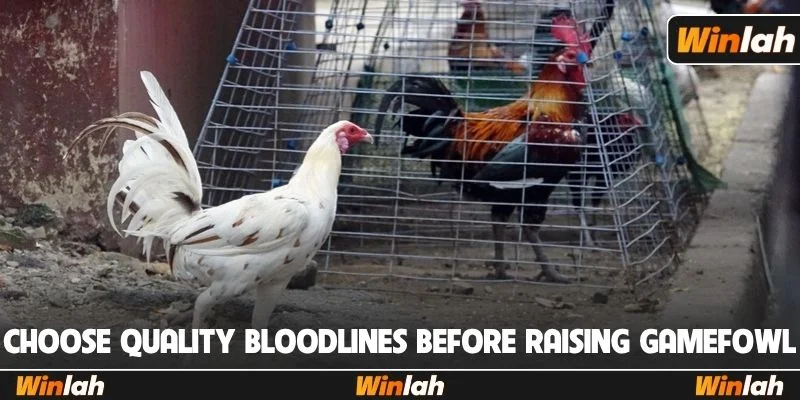
Proper nutrition for healthy fighting gamefowl development
In the gamefowl raising guide, establishing a scientific diet plays a vital role in building strong muscles and maintaining abundant energy. You can also explore card booking odds to diversify your entertainment experience at our bookmaker. Below is a table of essential nutritional components:
| Food Group | Detailed Ingredients | Benefits for Fighting Gamefowl |
| Main feed | Soaked paddy, premium grains | Provides carbohydrates, maintains ideal body weight, and limits excess fat accumulation. |
| Protein sources | Calcium worms, fresh beef, small eels, crickets | Promotes muscle development, enhances excitement, and increases kicking power. |
| Fresh vegetables | Lettuce, bean sprouts, water spinach, water hyacinth | Supplies fiber, supports digestion, and effectively cools the body. |
| Nutritional supplements | Vitamin B1, B12, garlic oil, ginger | Strengthens the immune system and protects the body from weather-related effects. |
Following the nutritional methods in the gamefowl raising guide requires flexibility according to the bird’s age and training intensity. Maintaining a balanced diet not only helps gamefowl develop an impressive appearance but also ensures maximum agility in every competitive situation inside the arena.
Gamefowl raising guide for stronger fighting gamefowl through training
This is the most important section of the gamefowl raising guide that every gamefowl breeder should master:
| Training Method | Technical Details |
| Sparring and conditioning | Helps gamefowl become familiar with real fighting conditions, improves endurance, and develops flexible counterattacking techniques. |
| Running cage exercise | Strengthens the legs, improves tendon flexibility, and increases lung capacity for more stable breathing. |
| Flight training | Promotes wing muscle development and enhances balance during aerial attacks. |
| Morning sun exposure | Helps absorb vitamin D, eliminates parasites on the feathers, and strengthens bones for greater durability. |
These exercises should be carried out early in the morning when the air is still fresh. Maintaining an appropriate training intensity keeps fighting gamefowl in peak condition while minimizing the risk of unwanted injuries before entering official matches.
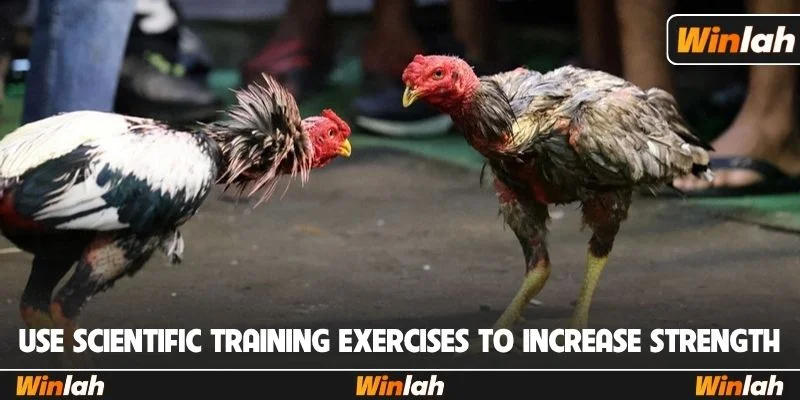
Gamefowl raising methods from experienced breeders
Learning from experienced breeders at Winlah will help you improve your gamefowl care skills more quickly. These practical methods are the perfect addition to your gamefowl raising guide:
- The art of herbal massage: Use a herbal mixture of wild turmeric, cinnamon bark, and strong rice wine to regularly massage the entire body of your gamefowl. This process helps the skin become thicker, develop a vibrant red color, and gain excellent resistance to impact.
- Keep the living environment clean: Ensure the coop is always well-ventilated, dry, and disinfected regularly. Keeping feeding trays and drinking water clean is one of the most important factors in preventing dangerous infectious diseases.
- Manage the bird’s mental condition: Avoid allowing gamefowl to stay close to potential opponents for long periods to preserve their territorial instincts. This helps fighting birds maintain their aggression and competitive spirit before entering the arena.
- Follow a proper resting schedule: After intensive training sessions, fighting gamefowl need a completely quiet environment to recover their muscles. Deep and regular sleep allows the body to restore energy efficiently for the next training session.
- Monitor daily condition: Pay close attention to leg color, comb appearance, and feeding behavior to promptly detect any unusual signs of health problems.
Conclusion
The gamefowl raising guide above represents valuable experience and practical knowledge compiled to support the community of gamefowl enthusiasts. We hope these insights help you establish a complete care routine and develop your birds into powerful, fearless champions. Don’t forget to stay with Winlah for more useful information and updates.